
Why Visit Amboseli?
Kilimanjaro Backdrop
Experience Amboseli’s stunning savannahs framed by Mount Kilimanjaro’s majestic peak, offering unparalleled scenic beauty.
Elephant Research Hub
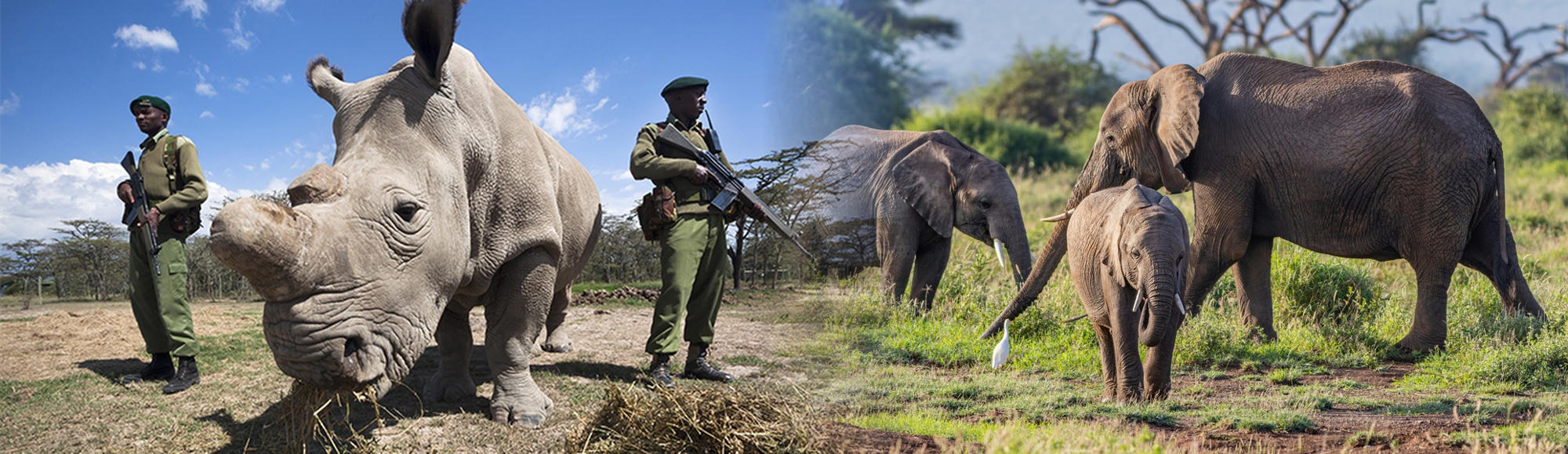
Learn about Amboseli’s world-renowned elephant studies, where researchers track family dynamics of these gentle giants.
Seasonal Wildlife Migrations
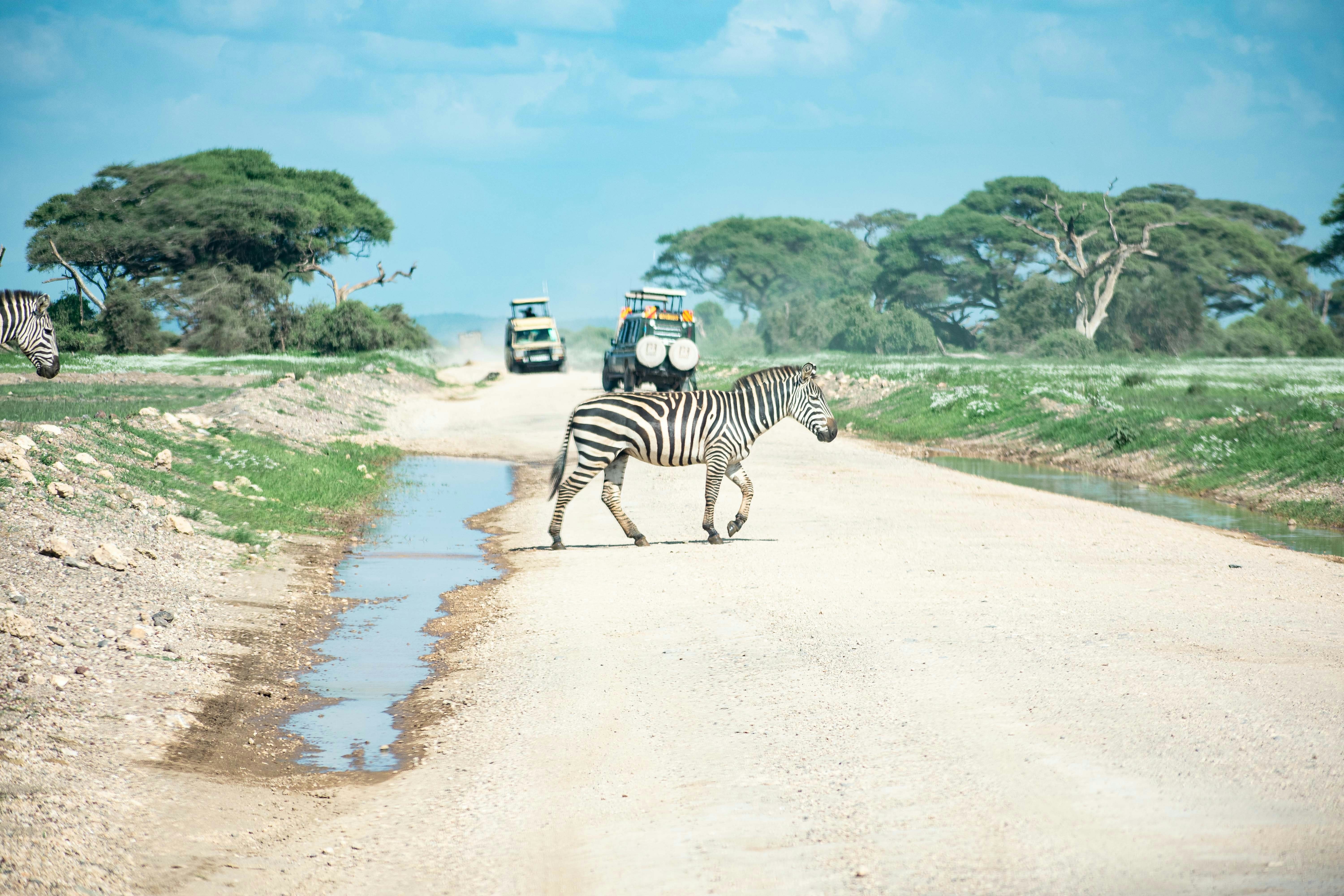
Witness dramatic migrations of zebras and wildebeests across Amboseli’s plains, a spectacle unique to the dry season.
Photography Hotspot
Capture Amboseli’s iconic landscapes and wildlife with guided photography tours, perfect for stunning sunrise shots.
Discover Amboseli
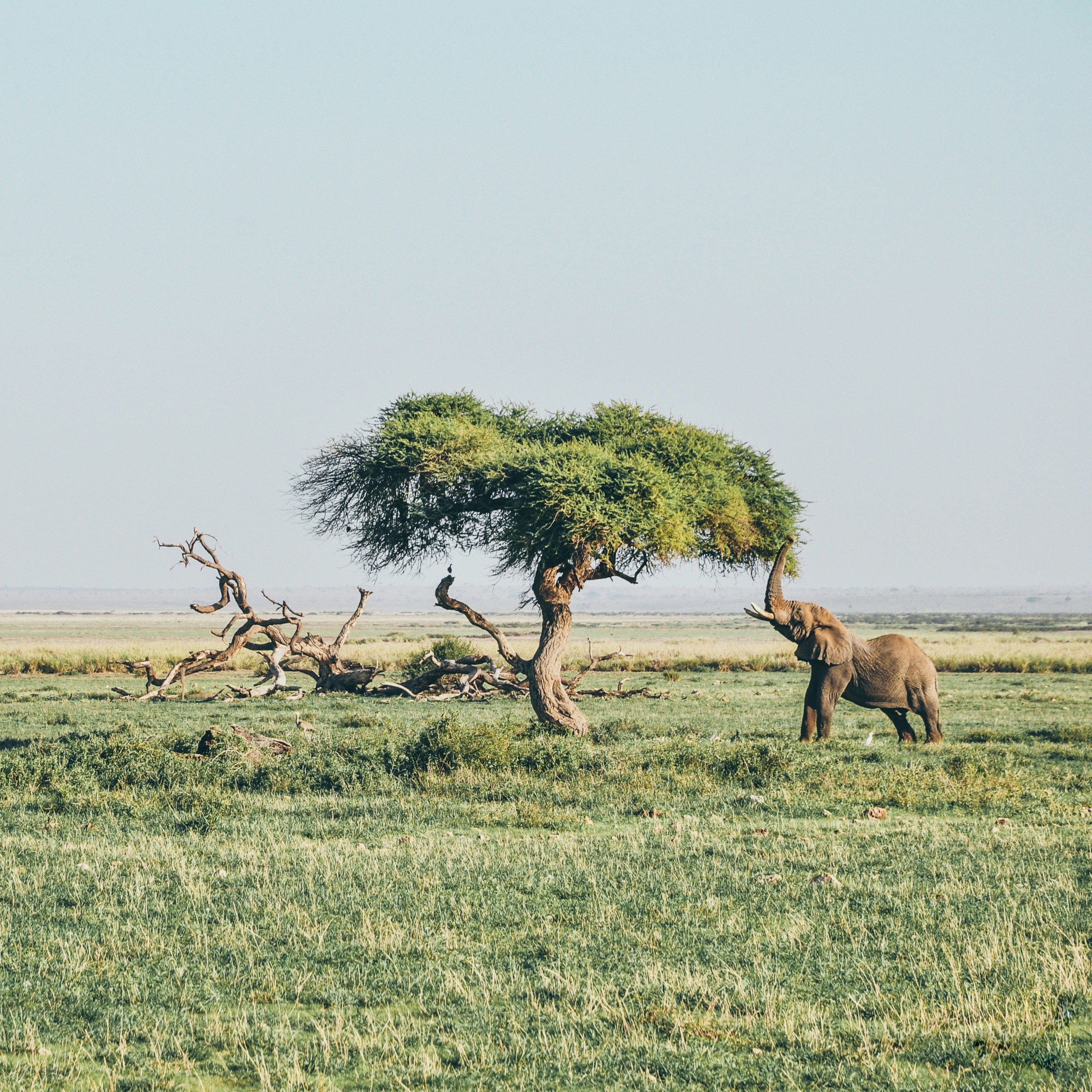
Amboseli National Park, located in southern Kenya, is renowned for its large elephant herds and breathtaking views of Mount Kilimanjaro, Africa’s highest peak. Covering 392 square kilometers, the park’s swamps, fed by underground springs from Kilimanjaro, create a unique ecosystem supporting diverse wildlife.
Famous for its accessibility and open savannahs, Amboseli offers exceptional opportunities for wildlife viewing, photography, and cultural experiences with the Maasai community. It’s a must-visit for those seeking a compact yet spectacular safari experience.
Explore Wildlife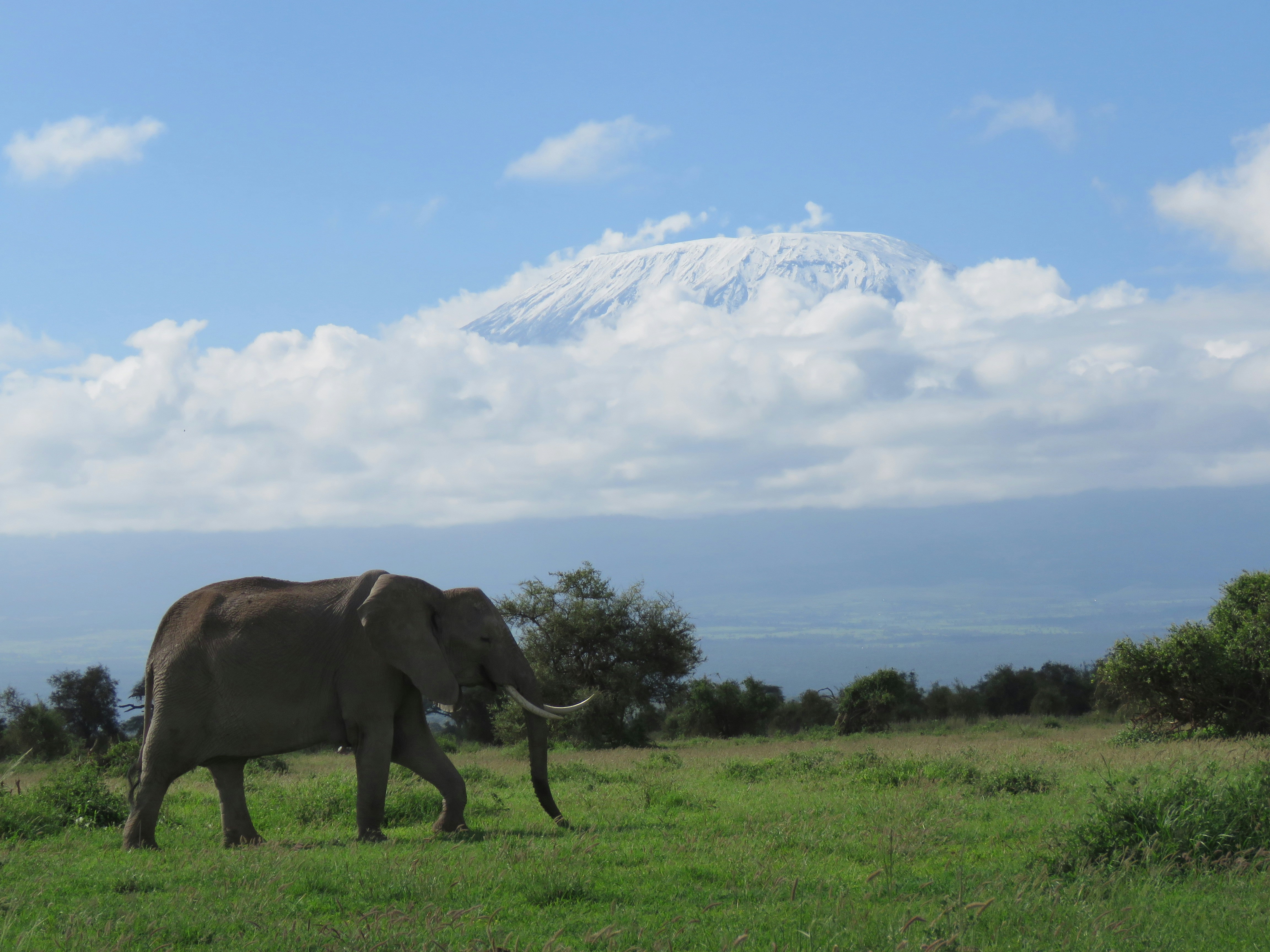
Safari Packages with Transport
Choose from our curated range of safari packages with transport included.

Sentrim Amboseli
Van Package
Cruiser Package

Oilepo Amboseli
Van Package
Cruiser Package

Kilima Safari Camp
Van Package
Cruiser Package

Amboseli Sopa Lodge
Van Package
Cruiser Package
Kibo Safari Camp
Van Package
Cruiser Package
Ol Tukai Lodge
Van Package
Cruiser Package
Elewana Tortilis Camp
Van Package
Cruiser Package
Amboseli Serena Lodge
Van Package
Cruiser Package
Tulia Amboseli Safari Camp
Van Package
Cruiser Package
Wildlife & Ecosystem
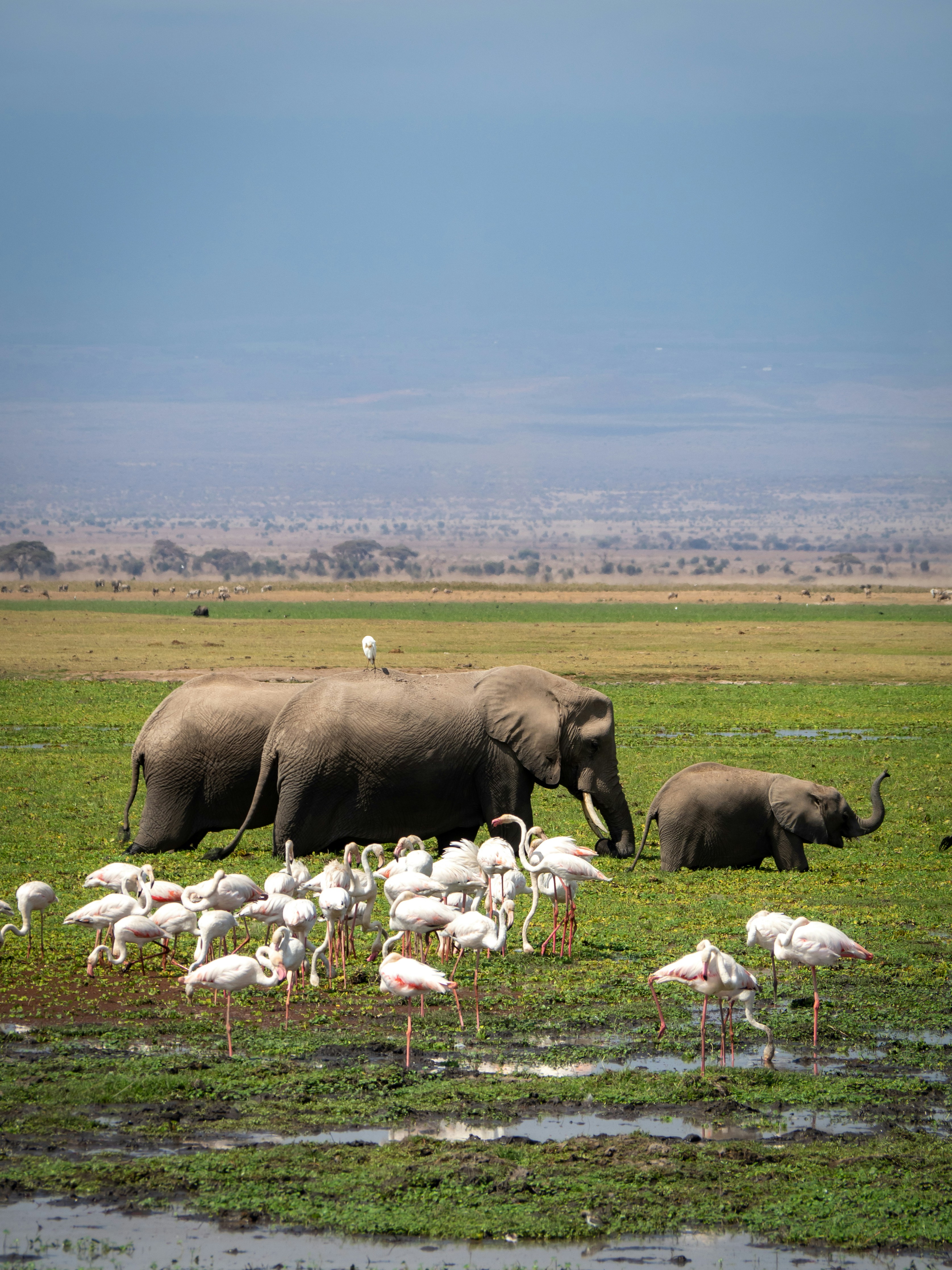
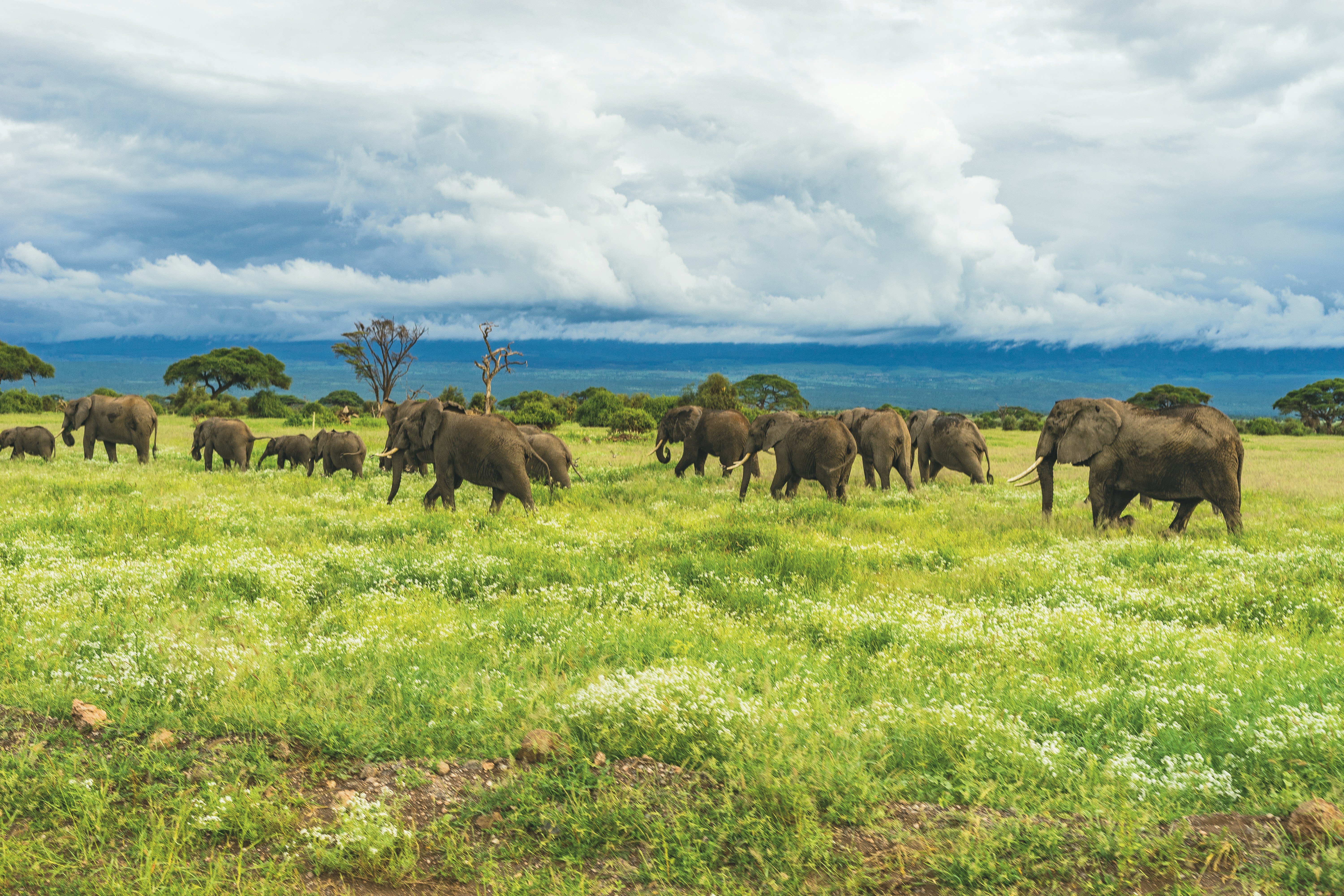
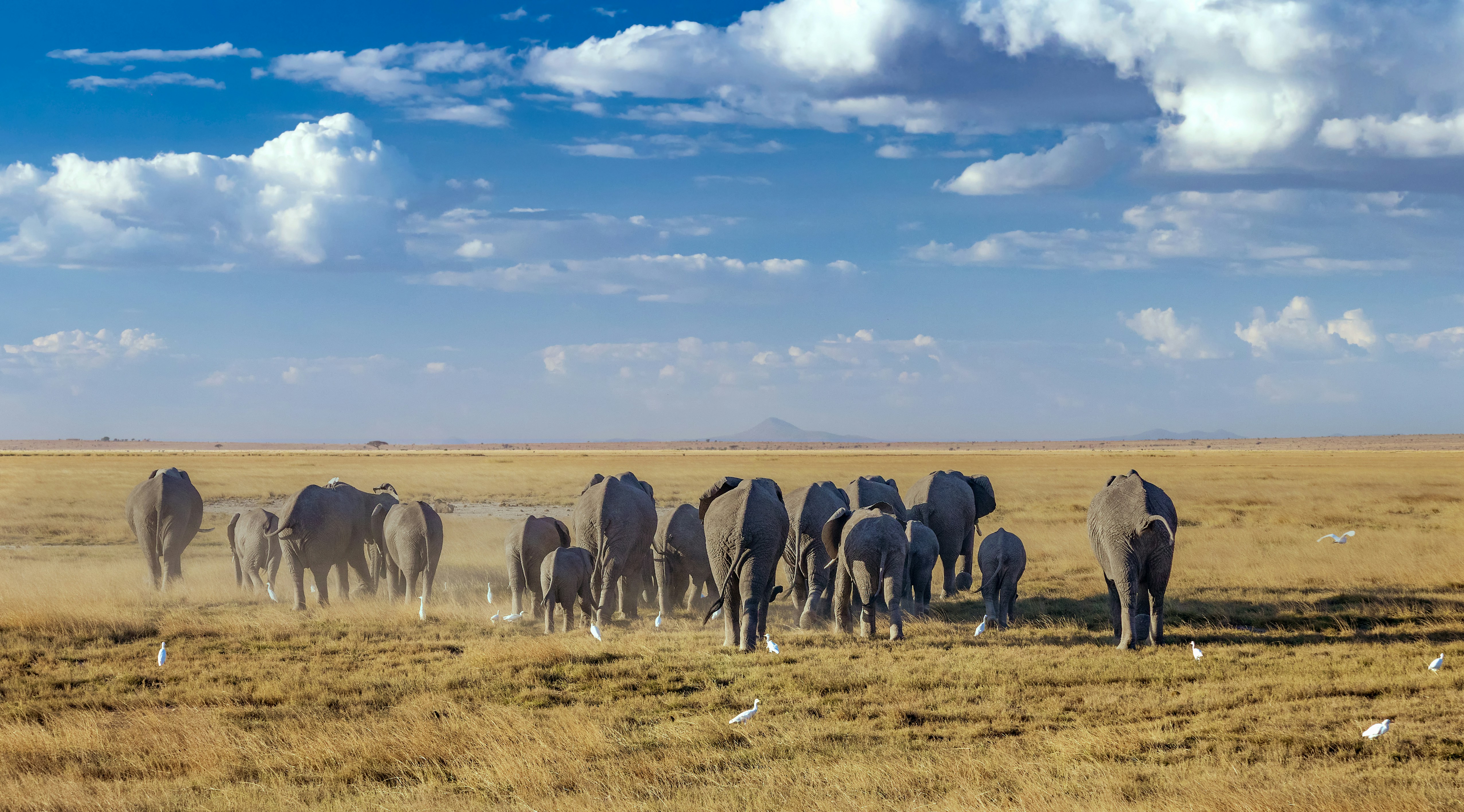
Amboseli’s swamps and savannahs host a diverse array of wildlife, including large elephant herds, predators, and over 400 bird species.


Frequently Asked Questions
Yes, Amboseli is generally safe for tourists. Professional guides conduct all game drives, and the park is well-patrolled. Follow your guide’s instructions to ensure safety around wildlife.
Mount Kilimanjaro is visible on clear days, particularly during the dry seasons (June-October, January-February). Cloud cover during rainy seasons may obscure views.
Pack neutral-colored clothing, comfortable shoes, a warm jacket for mornings, sun protection (hat, sunscreen), binoculars, a camera with a zoom lens, and travel documents. Lodges provide laundry services.
Yes, malaria is present. Take prophylaxis (consult your doctor), use insect repellent, and sleep under mosquito nets provided by lodges. Risk is higher during rainy seasons.
The dry seasons (June-October, January-February) are ideal for wildlife viewing and clear Kilimanjaro views. The wet seasons (November-December, March-May) offer lush scenery and fewer crowds.
A minimum of 2-3 nights is recommended for a fulfilling experience, allowing multiple game drives. Photographers or those seeking a deeper experience may prefer 4-5 nights.
